
Revit for Construction Teams
Revit is no longer limited to design offices. On modern construction projects, models travel from architects to engineers, contractors and site supervisors. When coordination breaks down, delays and costly rework follow.
Revit for Construction Teams is an informational resource dedicated to practical BIM usage in real construction environments. This site focuses on workflows, coordination discipline and operational reliability so that teams can rely on accurate models when decisions matter most.
Using Revit on Site: What Really Matters
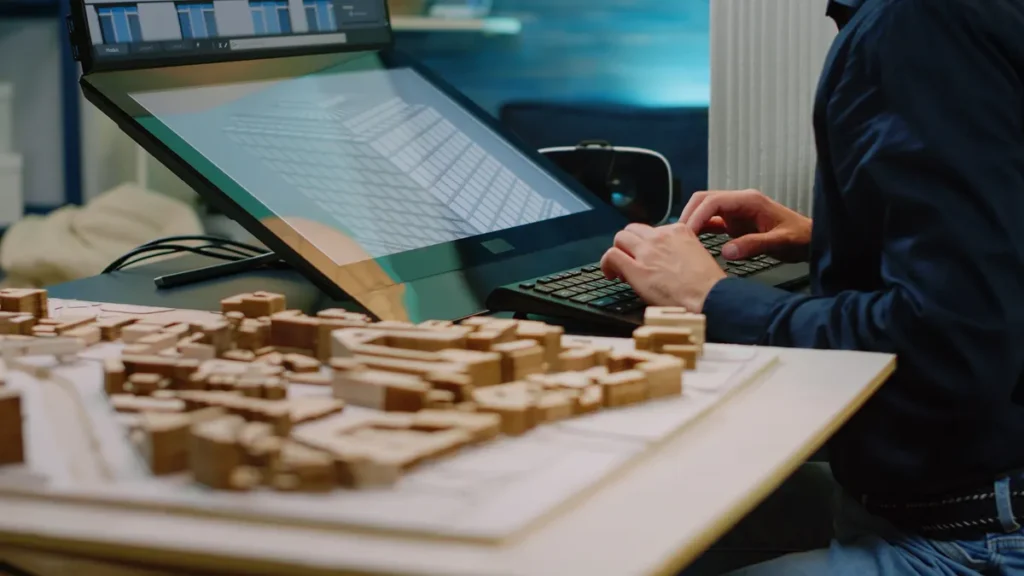
On a construction site, speed and clarity matter more than theoretical perfection. Teams need access to updated models, clear views and validated information. A poorly managed model can generate confusion instead of efficiency.
Successful on-site Revit usage depends on:
Clear naming conventions
Consistent view templates
Structured model hierarchy
Defined update schedules
The technical foundation of Revit as a BIM platform is described in the Wikipedia article on Building Information Modeling, which explains how centralized digital models improve coordination when properly managed.
The key is discipline. Models must reflect real construction logic, not just design intent.
Coordination Workflows That Reduce Errors
Coordination failures often stem from unclear responsibilities. When multiple teams modify shared elements without structured validation, clashes multiply.
Effective construction teams implement:
Regular coordination reviews
Defined approval checkpoints
Clear clash resolution procedures
Shared communication protocols
Revit’s collaboration features, outlined in the Autodesk Revit overview, support distributed teamwork, but tools alone do not prevent errors. Process consistency does.
A structured coordination workflow reduces rework, protects margins and limits disputes between trades.


Model Access, File Sharing and Version Control
Construction teams operate across offices, job sites and remote locations. Access to the correct version of a model must be immediate and reliable.
Poor version control leads to duplicated files, outdated drawings and inconsistent documentation. To avoid this, teams should define:
A single source of truth
Strict version naming rules
Access permissions aligned with roles
Controlled publishing schedules
Cloud-based collaboration and distributed access are central to modern BIM ecosystems. The broader context of digital collaboration in construction is covered in the Wikipedia page on Construction engineering, which highlights how digital workflows increasingly shape project execution.
Access reliability is not just a productivity issue. It directly impacts decision quality on site.
Keeping Information Available During Peak Activity
Construction timelines create natural peaks in model consultation. Deadlines, inspections and coordination milestones often concentrate access within short time windows.
When many users access online resources simultaneously, platforms can experience traffic volatility similar to other high-demand web services. If infrastructure is not prepared, latency increases and availability may degrade.
From a technical standpoint, ensuring stable access to informational platforms requires upstream traffic management and resilience planning. Concepts such as network congestion explain how bandwidth limitations and traffic overload affect service performance.
For platforms exposed to unpredictable surges or automated abuse, infrastructure-level safeguards such as advanced DDoS protection help maintain service continuity by filtering abnormal traffic before it impacts core systems.
Even purely informational resources benefit from availability planning. When teams depend on guidance and documentation, downtime disrupts workflows.
Risk Awareness in Digital Construction Workflows
Construction teams increasingly rely on connected tools, shared platforms and cloud-based collaboration. While this improves coordination speed, it also expands the digital exposure surface of project data.
Access links, shared drives, exposed portals and collaborative dashboards must remain reliable and secure. Even informational platforms can experience service disruption if abnormal traffic or automated abuse is not properly filtered. The broader cybersecurity context affecting construction and engineering sectors is discussed in the Wikipedia article on Cybersecurity, which outlines how digital systems across industries face evolving risks.
For teams working under tight deadlines, losing access to shared documentation or workflow references can delay coordination and increase uncertainty on site. Infrastructure resilience therefore supports operational continuity.
Digital construction workflows are only as strong as the stability of the systems supporting them. Reliable access ensures that teams can focus on execution rather than troubleshooting connectivity issues.

Contact

Contact Us
For editorial questions, collaboration proposals or professional discussions about Revit workflows in construction environments, you may contact us through our form. This site is strictly informational and focused on practical BIM usage for construction teams. We aim to provide clear, structured and operationally relevant insights.